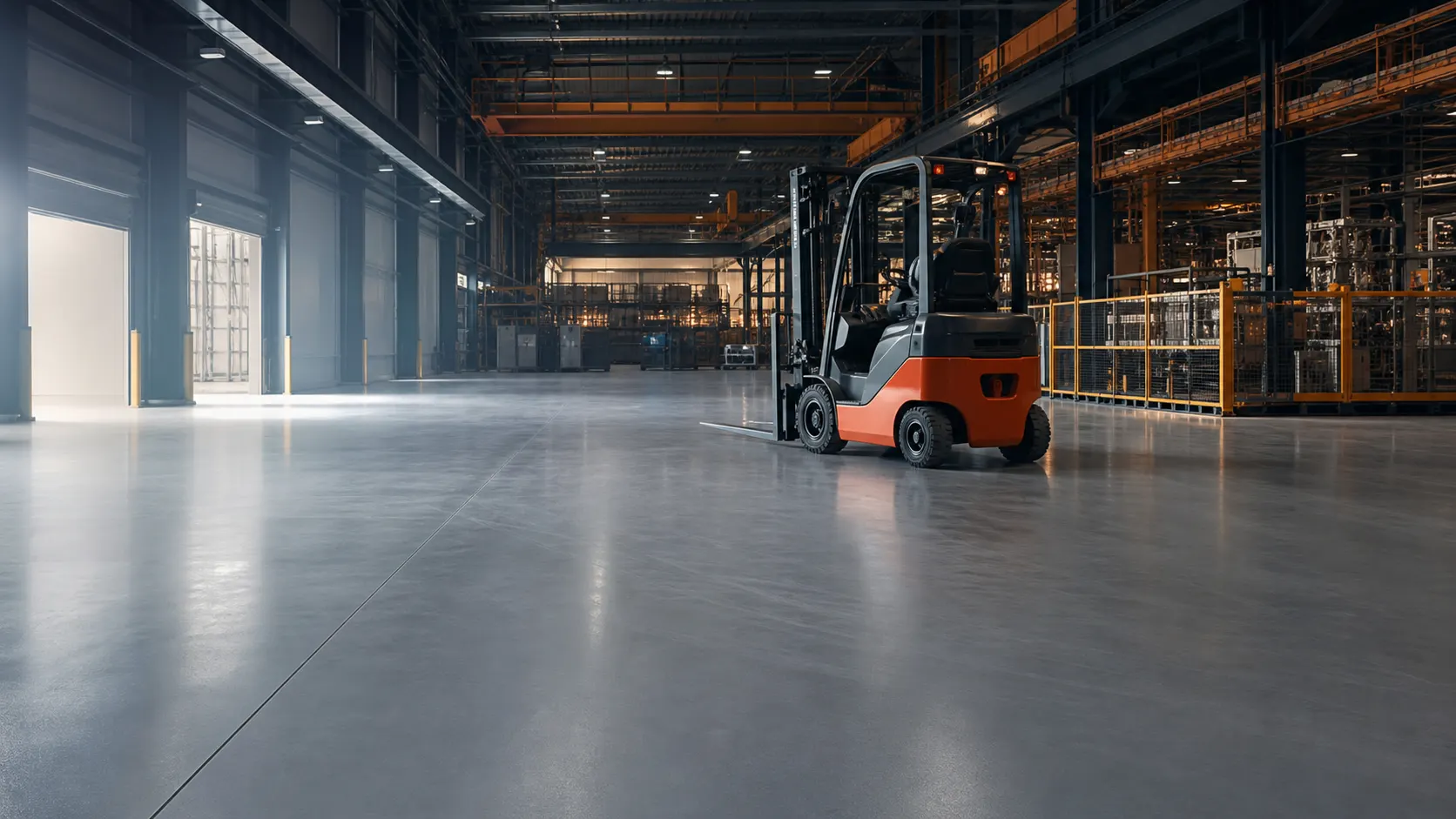
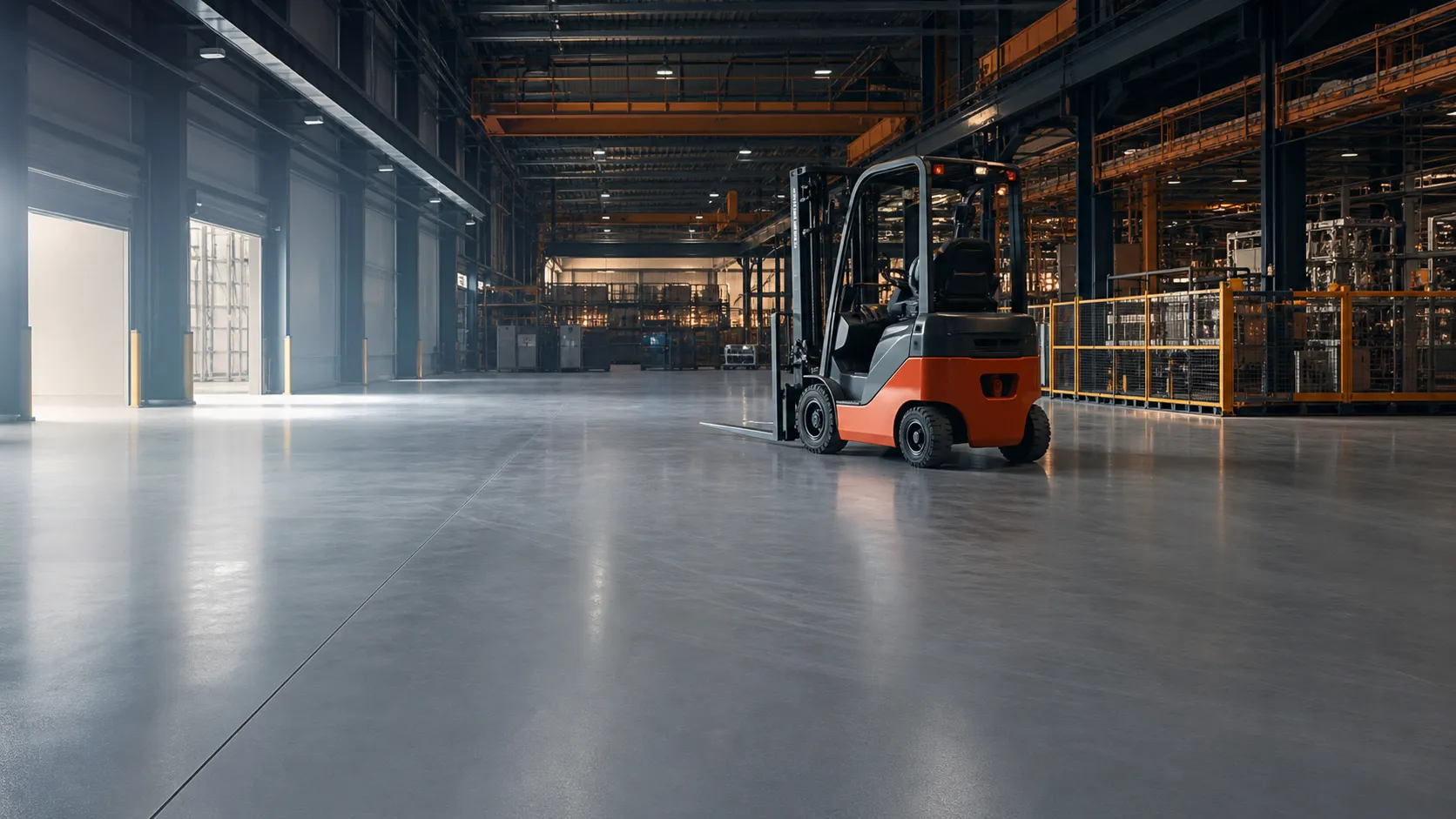
Forklift operating on a seamless resin floor inside a modern industrial facility
Industrial Flooring Singapore · Manufacturer and applicator network

Industrial flooring in Singapore: epoxy, PU and ESD resin floors.

The floor duty decides the system.

Rayson formulates industrial flooring systems in Singapore: epoxy, PU-cement, ESD, anti-slip and specialist flooring products, each with a published technical data sheet. Applicators in the Rayson network quote and install them. Traffic, moisture, chemistry, cleaning and the shutdown window determine how the system should be built.

Assess the substrateBuild the full systemOpen technical data
Quote on WhatsApp

Factory, warehouse or kitchen floor? WhatsApp three photos and the area.

  1. The whole floor, wide
  2. A close-up of the surface, damage or old coating
  3. The area in m², and what runs on it: feet, pallet trucks or forklifts
WhatsApp the photos Prefer a form? Send the brief

WhatsApp is answered every day, 8:30am to 10pm, usually within an hour. Rayson recommends an applicator from its network, who inspects, quotes and installs.

Updated: November 2026

Industrial flooring, explained

Industrial flooring in Singapore: who installs it, which resin system fits, and what it costs.

Rayson High Performance Coatings is a coatings manufacturer in Singapore, and its industrial flooring systems are installed by applicators in its network. Send Rayson the floor and it recommends the job to an applicator, who inspects the slab, quotes and installs the system using Rayson products. Contractors and facility teams can also buy the same systems as material, each with a published data sheet.

Resin flooring is the family of seamless floors built from liquid resins that cure on the slab: roller-applied and self-levelling epoxy flooring, polyurethane finishes, PU-cement screeds, conductive ESD epoxy and anti-slip textures. Epoxy is one member of the family, not a synonym for it. In Singapore the systems run from about S$3–6 per sq ft for a roller-applied epoxy coating to S$6–12 for self-levelling epoxy and S$8–15 for anti-slip or ESD systems, supplied and applied, according to price guides checked in November 2026. Rayson formulates and specifies every family below in Singapore, has them made to that specification by its production partners, tests and releases every batch in Singapore, and publishes a technical data sheet for each product.

Resin familyTypical buildWhere it is used2026 band, per sq ftRayson system
Epoxy floor coating, roller-appliedTwo coats, a few tenths of a millimetre, over a primerWarehouses, workshops, garages, plant rooms, dry production zonesS$3–6FloorGuard EP310
Self-levelling epoxyPoured wearing coat at 1.6–2.0 kg/m², several millimetresProduction floors, forklift aisles, showrooms, clean roomsS$6–12FloorGuard EP320
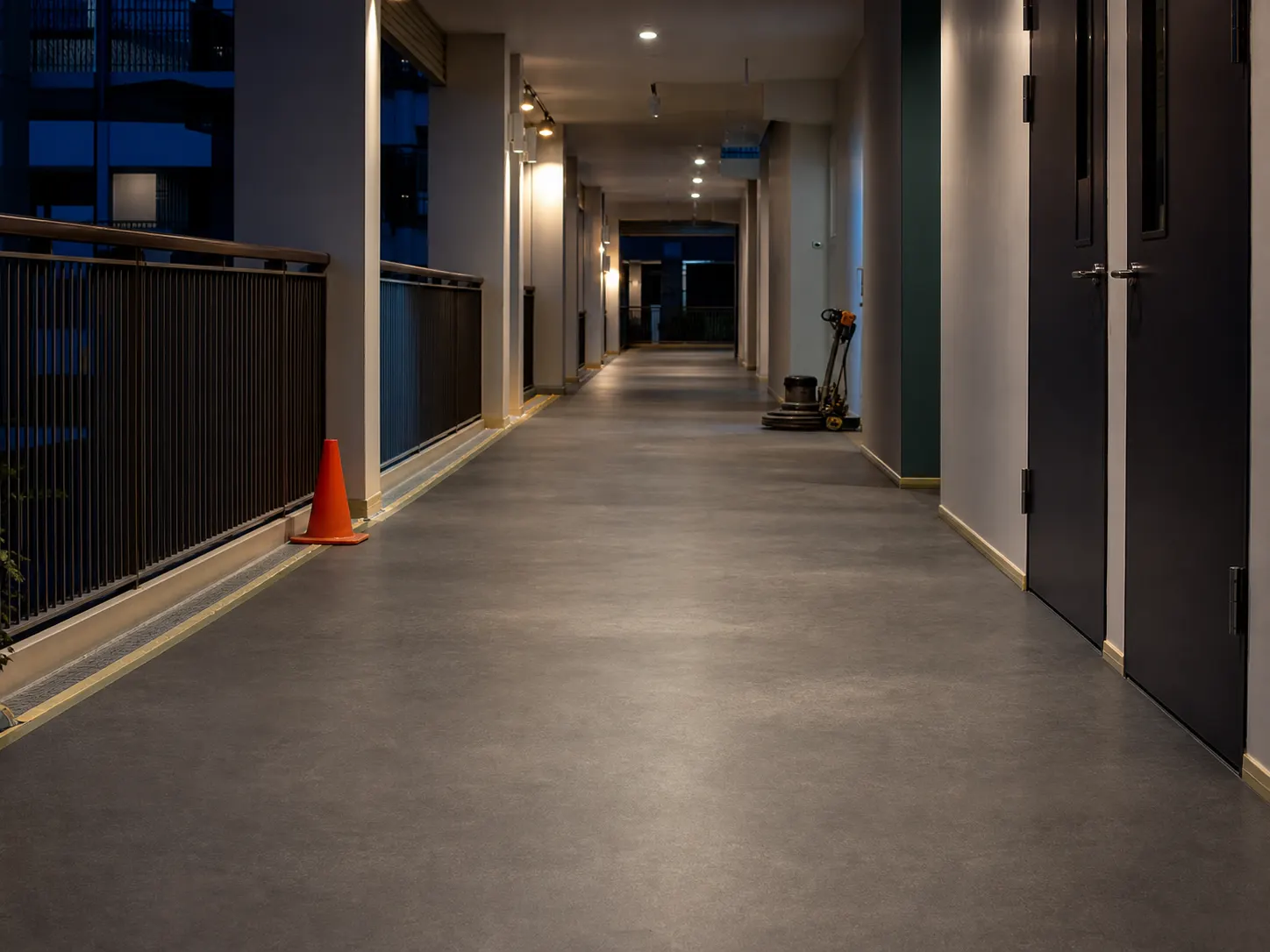
Polyurethane finishThin colour-stable topcoat over an epoxy or concrete baseSunlit floors, car parks, colour-critical finishes, occupied buildingsS$5–10 as a PU coatingTopShield PU420-S, PU440-W, PU435-W
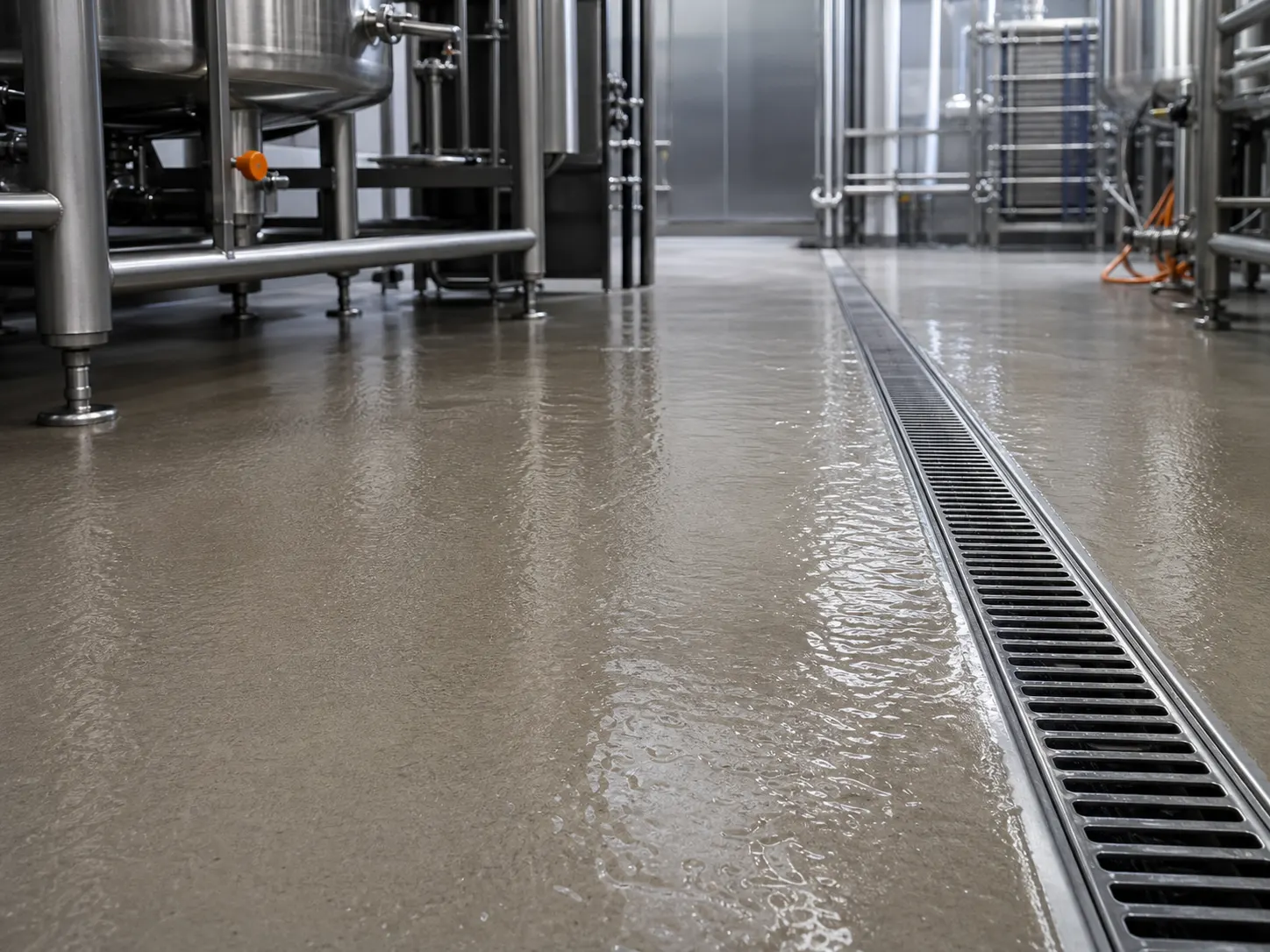
PU-cement screedTrowel-applied 3–6 mm, coved at walls and drainsHot wash-down lines, food and beverage production, commercial kitchensQuoted per projectFloorGuard PC330-W
Conductive ESD epoxySelf-smoothing 1.0–1.5 mm over an earthing layerElectronics production, data centres, EMI-shielded roomsS$8–15StaticGuard EP610
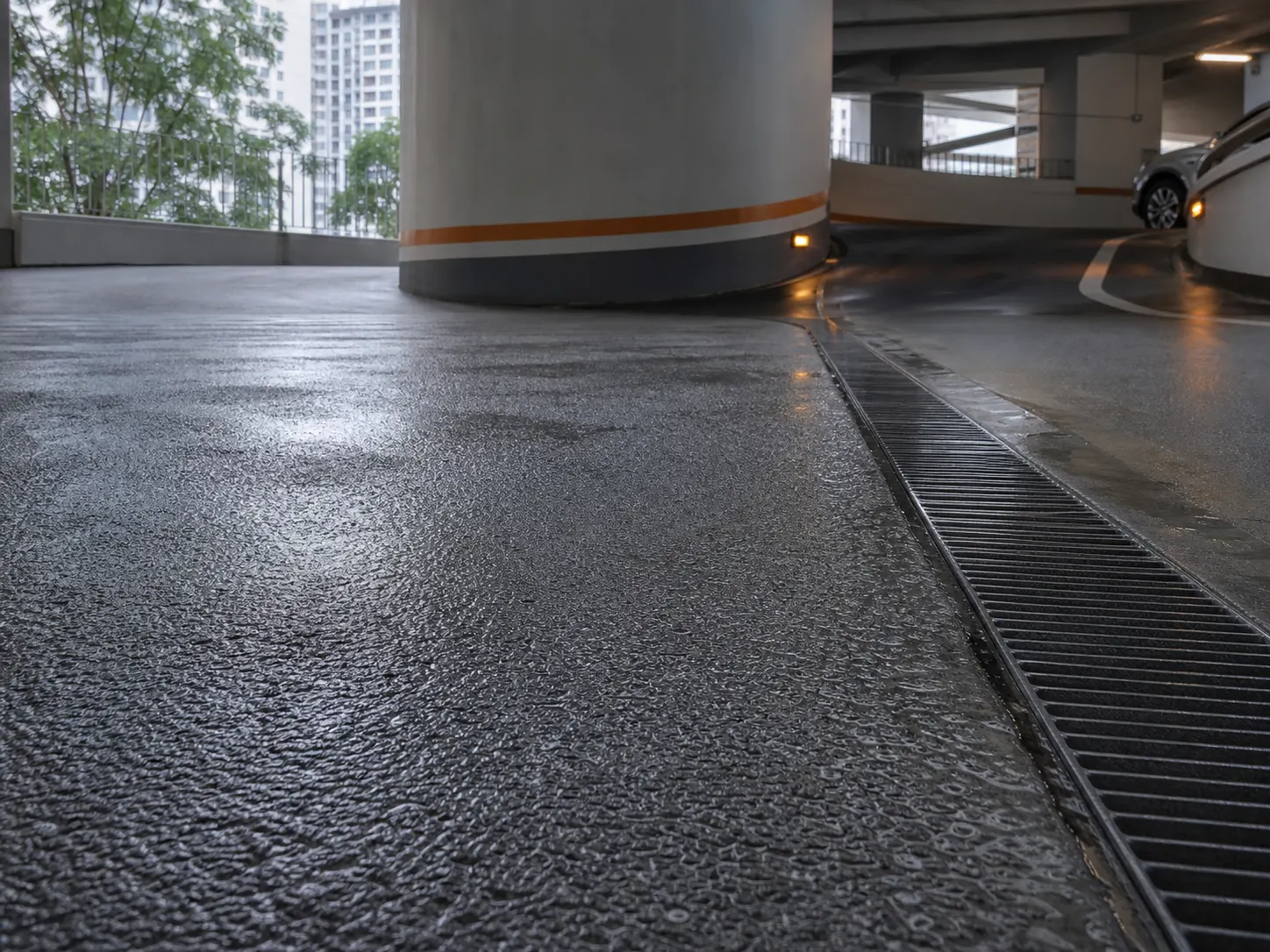
Anti-slip systemAggregate broadcast into the coat, or a quartz-textured primer with a sealRamps, loading bays, wet zones, external walkwaysS$8–15GripSafe AC620-W, TopShield PU445-W
PMMA (methacrylate) resinFast-cure resin, workable in under an hourRoofs and floors with a tight window or low temperatureSpecialistNot a Rayson product

Price bands are Singapore market ranges checked on 8 November 2026, not Rayson quotations; sources are listed in the epoxy flooring cost guide. The applicator quotes the installed price after the floor has been seen: the substrate, the area and the access window decide it.

Start with the system

Resin flooring is a system, not a single finish.

A reliable industrial floor starts with assessed concrete. Preparation, primer, body coat, final surface and ownership all have to be defined around the same operating duty.

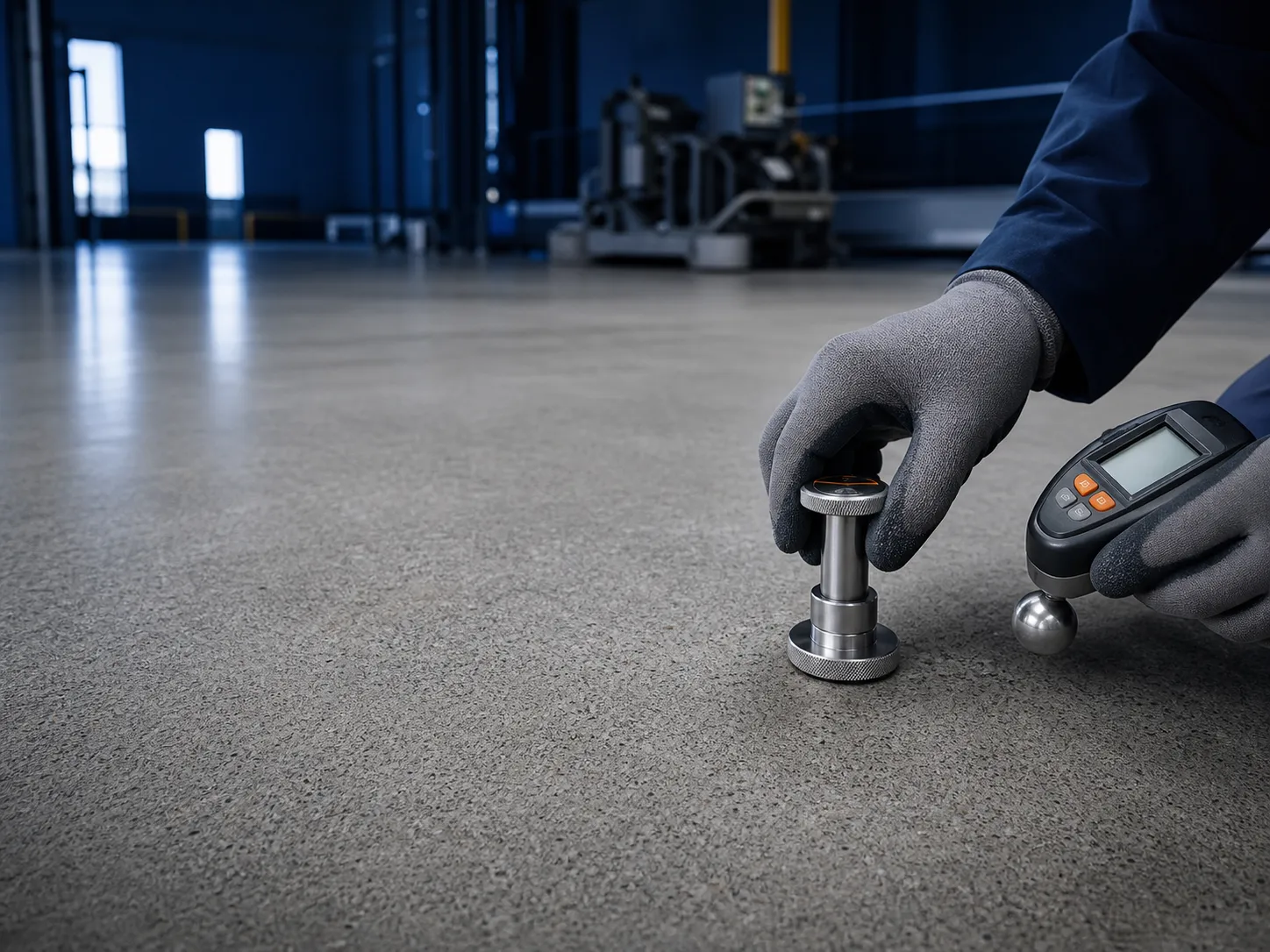
Technical specialist assessing concrete substrate condition before industrial floor coating work
  1. 01
    Assess the substrateConfirm the concrete, moisture and any existing coating.
  2. 02
    Prepare and primeCreate a dependable bond to a sound, prepared surface.
  3. 03
    Build performanceSelect the body coat and build around the real duty.
  4. 04
    Finish and verifySet traction, cleanability and the final system route.
Choose by operating duty

Industrial flooring by duty: what must the floor survive?

Choose the real risk first. These are preliminary system directions; the final specification still needs the site and relevant TDS checked.

01 / Traffic and impact

Built around the traffic that actually runs here.

Wheel loads, turning frequency and cleaning requirements determine whether a seamless self-levelling wearing surface is required.

  • Forklift traffic
  • Mechanical strength
  • Seamless surface
Preliminary system directionTypical direction: PrimeBond EP110 → FloorGuard EP320

Open technical data: RY-TDS-EP110RY-TDS-EP320

Forklift operating on a seamless industrial warehouse floor
System route index

Industrial flooring systems compared: epoxy, PU and PU-cement.

Each route starts with prepared substrate and operating exposure; confirm the final product and build-up against the relevant TDS.

If the existing floor is peeling, cracking, contaminated or covered by an unknown coating, start with the surface diagnosis guide.

Singapore project reality

Singapore conditions change the floor coating specification.

01

Moisture

Assess the substrate, residual moisture and primer compatibility first.

02

Monsoon exposure

Entrances, ramps and open-sided zones need texture and drainage considered together.

03

Cleaning and chemistry

Frequency, temperature and actual contact determine the system route.

04

Shutdown window

Preparation, application and return to service must fit the operating calendar.

Project direction

Show us the floor. We’ll map the build-up.

Send the substrate, area, current condition, operating duty and available work window. Rayson will give an initial response within one working day.

Industrial flooring manufacturer, Singapore

One manufacturer behind every industrial flooring system on this page.

Rayson formulates the epoxy, polyurethane, PU-cement, ESD and anti-slip systems in Singapore. For a project, Rayson recommends the job to an applicator in its network, who quotes and installs it with Rayson systems. For the trade, the same systems are supplied direct to contractors, facility teams and specifiers, with the technical data sheet and a coverage figure before they tender. Every product is a named system with a published TDS, so a quotation can be checked line by line.

Ask for an applicator to quote the floor

Request material pricing and data sheets

Frequently asked questions

What is the best industrial floor coating for a warehouse in Singapore?

Start with actual wheel loading, turning frequency, substrate condition and cleaning requirements. A self-levelling epoxy route such as PrimeBond EP110 and FloorGuard EP320 is commonly reviewed for forklift and production-floor traffic, but the final system should be checked against the site and product TDS.

When should PU-cement be considered instead of epoxy flooring?

PU-cement is considered where hot wash-down, wet processing, thermal cycling or the actual chemical exposure make those conditions more important than a standard dry-floor epoxy route. FloorGuard PC330-W is Rayson's PU-cement screed; confirm the intended exposure against its current TDS.

Can an industrial floor coating be applied over an existing coating?

Sometimes. A sound, compatible coating may be mechanically prepared and overcoated; a delaminating or contaminated coating may need removal and repair first. An adhesion and substrate assessment is the right starting point.

How long before a newly coated floor can return to service?

Return-to-service timing depends on the selected product, temperature, film build, substrate and actual traffic. Use the relevant product TDS and confirm the project programme with Rayson's technical team rather than relying on a generic cure-time claim.

Does every floor coating system need a primer?

The substrate and system decide this. Many systems rely on a primer to bond to prepared concrete, while selected self-priming products have their own published application route. Follow the relevant TDS and system recommendation.

Is Rayson an industrial flooring contractor or a manufacturer?

A manufacturer. Rayson formulates and specifies its floor systems in Singapore and publishes their technical data sheets. It does not have an installation team of its own: when a floor needs installing, Rayson recommends the job to an applicator in its network, and the applicator inspects the slab, quotes and installs the system using Rayson products. Contractors and facility teams can also buy the systems as material.

How do I get an industrial floor quoted in Singapore?

Send Rayson photos of the floor, the area, what runs on it and the shutdown window. Rayson replies within one working day with the system that fits and recommends the job to an applicator in its network. The applicator inspects the slab, tests it for moisture and quotes, with preparation, repairs, system and thickness as separate lines.

How much does industrial floor coating cost in Singapore?

Singapore price guides checked in November 2026 put a roller-applied epoxy floor coating at about S$3–6 per sq ft, a self-levelling epoxy floor at S$6–12, a PU coating at S$5–10 and anti-slip or ESD systems at S$8–15, supplied and applied; PU-cement screeds are quoted per project. Preparation, repairs, thickness, exposure, access and the shutdown window move a real quotation inside or above those bands. They are market ranges, not Rayson quotations.

Is resin flooring any good?

For floors that must be seamless, cleanable and hard-wearing, resin flooring is the standard answer: warehouses, production floors, car parks, food plants and electronics rooms all use it because there are no joints to trap dirt and the surface can be matched to the traffic, the chemicals and the cleaning regime. It is only as good as the slab beneath it and the preparation done, and each family has limits: epoxy yellows in sunlight, thin coatings wear under forklifts, and PU-cement is the only one built for hot wash-down.

What are the downsides of resin flooring?

Resin floors depend on preparation and a dry, sound slab; skip the grinding or coat over moisture and the floor peels. Epoxy chalks and yellows under UV, smooth finishes are slippery when wet, repairs show, and none of the families bridge a moving crack. Solvent-based products smell during application, so occupied buildings need water-based or solvent-free systems, and every family has a recoat window that must be kept.

What is the difference between resin flooring and epoxy flooring?

Epoxy flooring is one family within resin flooring. Resin flooring covers every seamless floor cured from a liquid resin: epoxy coatings and self-levelling floors, polyurethane finishes, PU-cement screeds, conductive ESD epoxy, anti-slip systems and methacrylate resins. Epoxy is the hard, economical interior workhorse; polyurethane adds UV stability and flexibility; PU-cement takes heat, steam and chemicals that would lift an epoxy floor.

Are resin floors expensive?

A roller-applied epoxy coating at about S$3–6 per sq ft is among the cheapest seamless floors in Singapore. Self-levelling epoxy at S$6–12 and anti-slip or ESD systems at S$8–15 per sq ft cost more because they lay more material or add a function, and PU-cement screeds are quoted per project. What makes any resin floor expensive is the preparation: grinding, repairs and removal of a failed coating. These are September 2026 market ranges, not Rayson quotations.
Not sure which system fits your project?

Tell us your surface, area and timeline — our Singapore technical team will recommend a practical system and reply within one working day.