Frequently asked questions
What is the best industrial floor coating for a warehouse in Singapore?
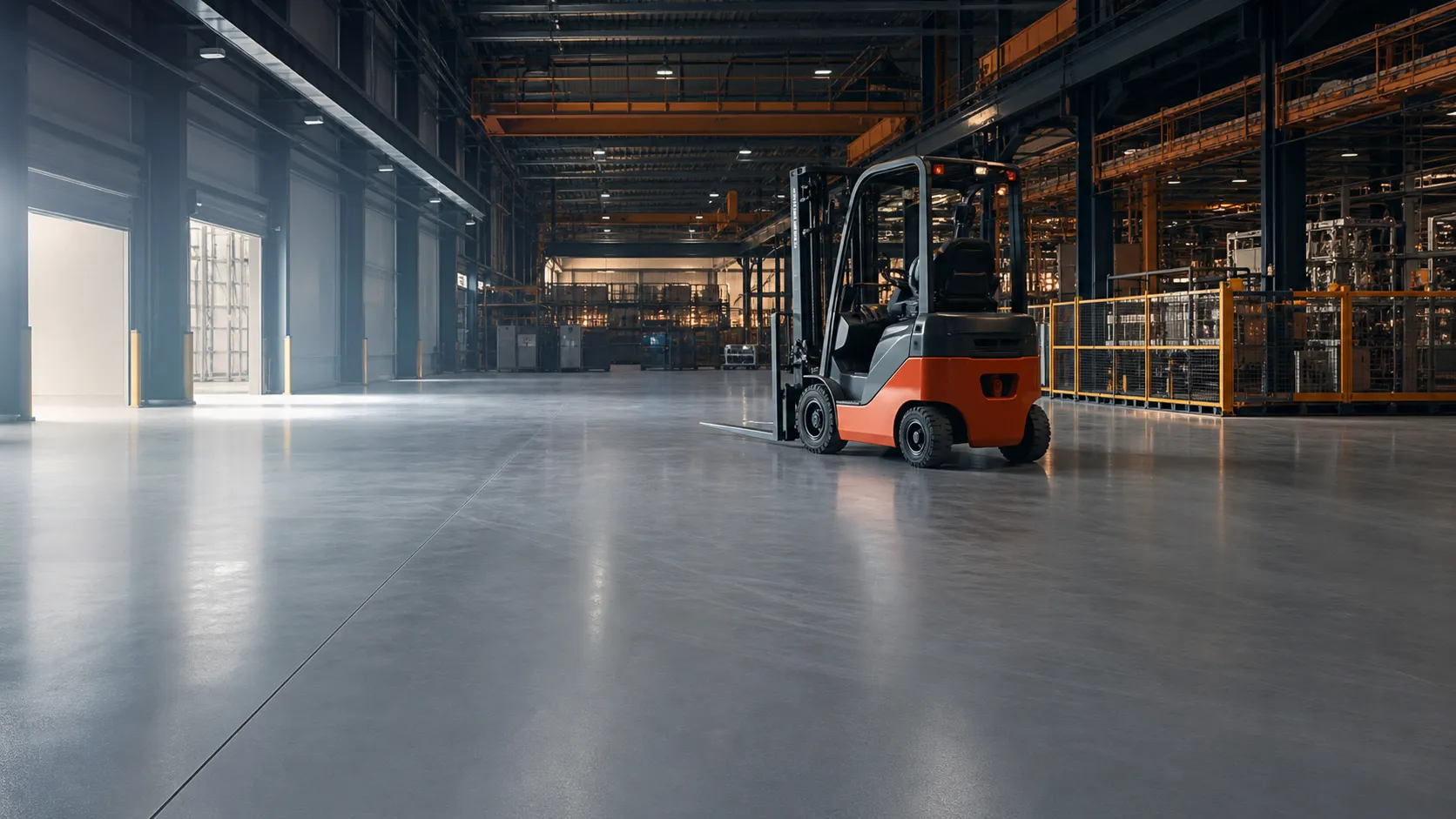
Start with actual wheel loading, turning frequency, substrate condition and cleaning requirements. A self-levelling epoxy route such as PrimeBond E20 and LevelShield SL120 is commonly reviewed for forklift and production-floor traffic, but the final system should be checked against the site and product TDS.
When should PU-cement be considered instead of epoxy flooring?
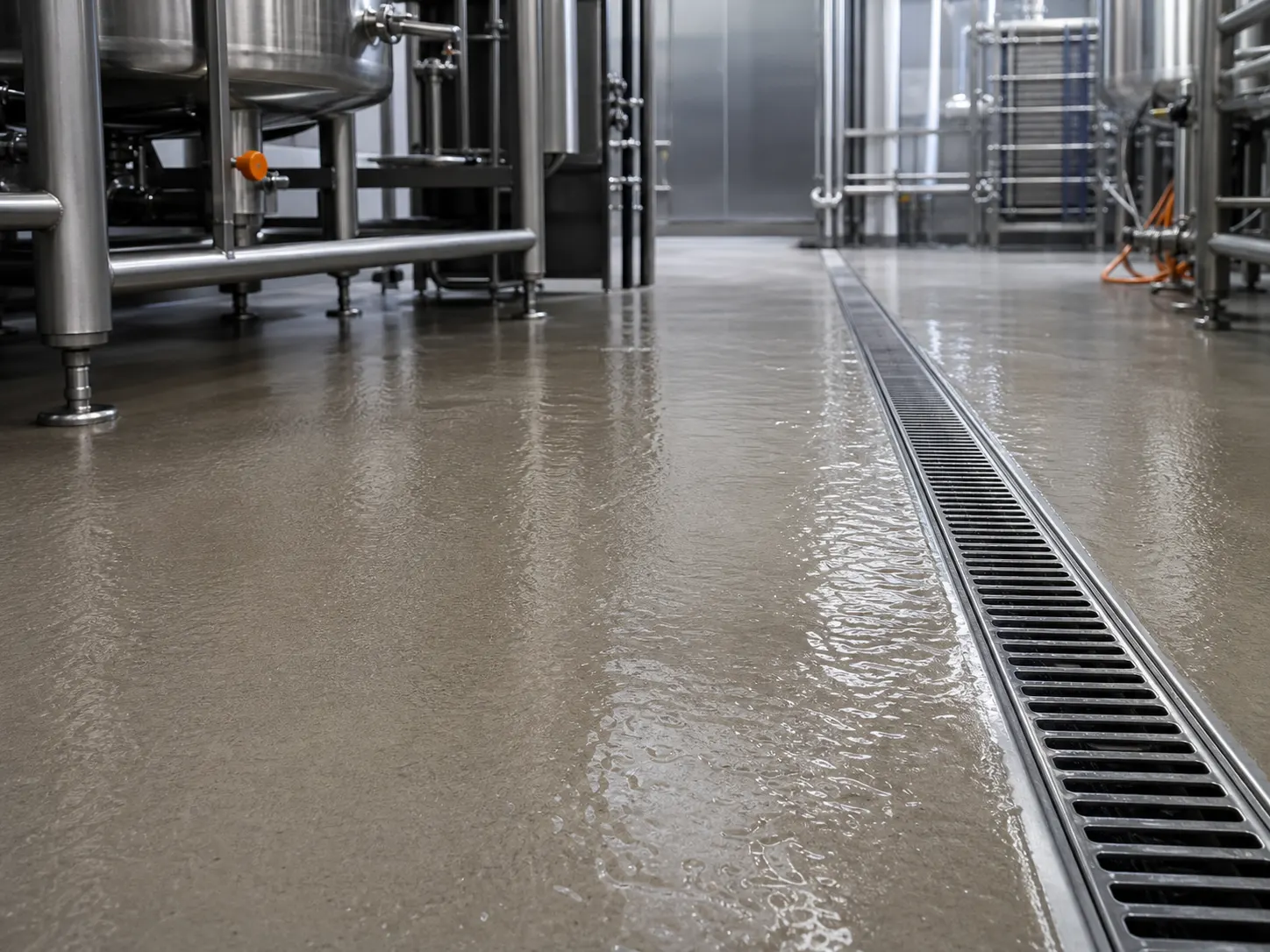
PU-cement is considered where hot wash-down, wet processing, thermal cycling or the actual chemical exposure make those conditions more important than a standard dry-floor epoxy route. PurScreed PC70 is Rayson's PU-cement screed; confirm the intended exposure against its current TDS.
Can an industrial floor coating be applied over an existing coating?
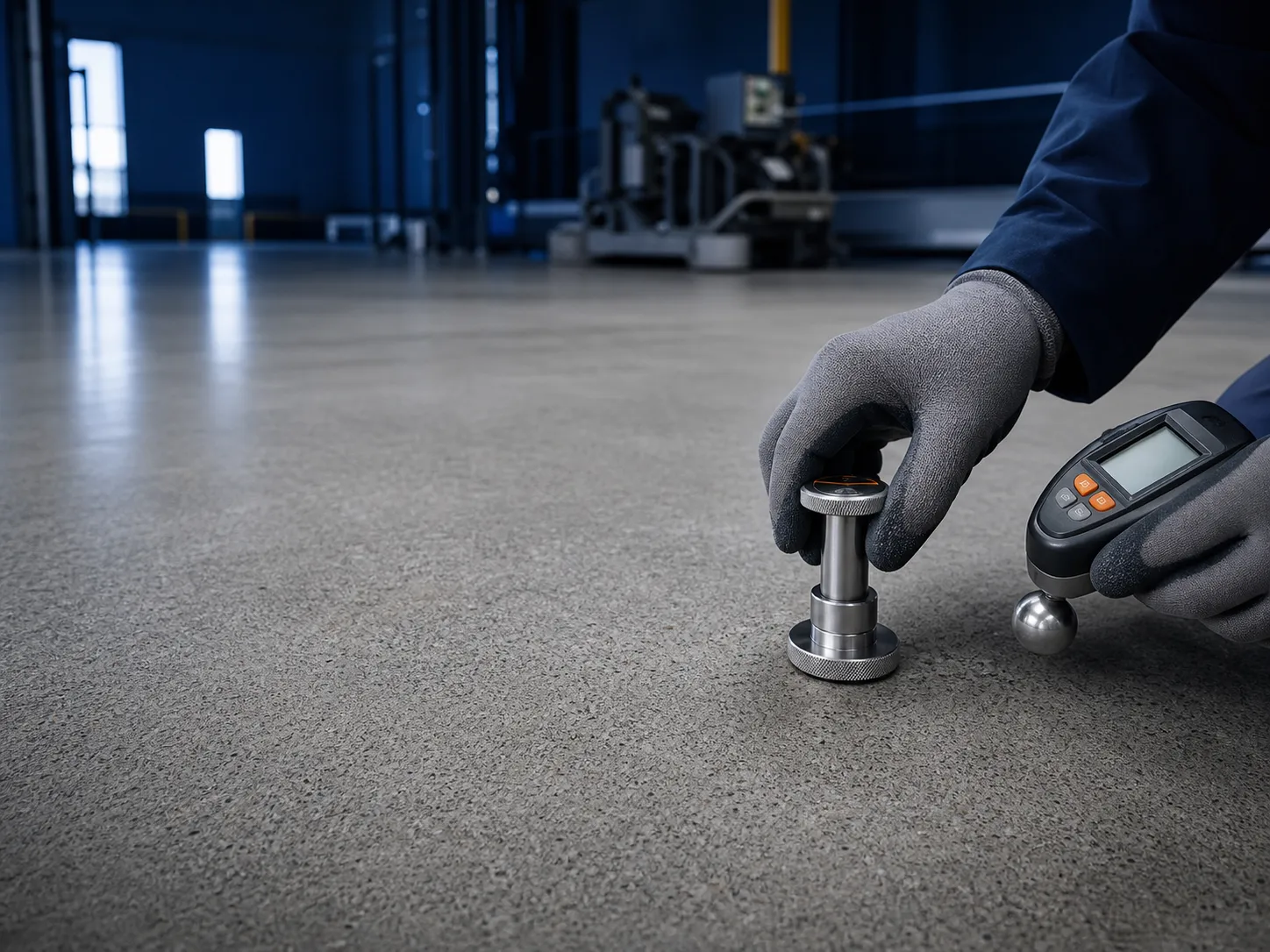
Sometimes. A sound, compatible coating may be mechanically prepared and overcoated; a delaminating or contaminated coating may need removal and repair first. An adhesion and substrate assessment is the right starting point.
How long before a newly coated floor can return to service?
Return-to-service timing depends on the selected product, temperature, film build, substrate and actual traffic. Use the relevant product TDS and confirm the project programme with Rayson's technical team rather than relying on a generic cure-time claim.
Does every floor coating system need a primer?
The substrate and system decide this. Many systems rely on a primer to bond to prepared concrete, while selected self-priming products have their own published application route. Follow the relevant TDS and system recommendation.
Does Rayson supply and apply industrial floor coatings?
Rayson is a Singapore manufacturer of high-performance protective coating systems. We support system selection, technical documentation and application guidance for specifiers, contractors and facility teams, and can connect projects with experienced applicators.
How much does industrial floor coating cost in Singapore?
Singapore price guides checked in September 2026 put a roller-applied epoxy floor coating at about S$3–6 per sq ft, a self-levelling epoxy floor at S$6–12, a PU coating at S$5–10 and anti-slip or ESD systems at S$8–15, supplied and applied; PU-cement screeds are quoted per project. Preparation, repairs, thickness, exposure, access and the shutdown window move a real quotation inside or above those bands. They are market ranges, not Rayson quotations.
Is resin flooring any good?
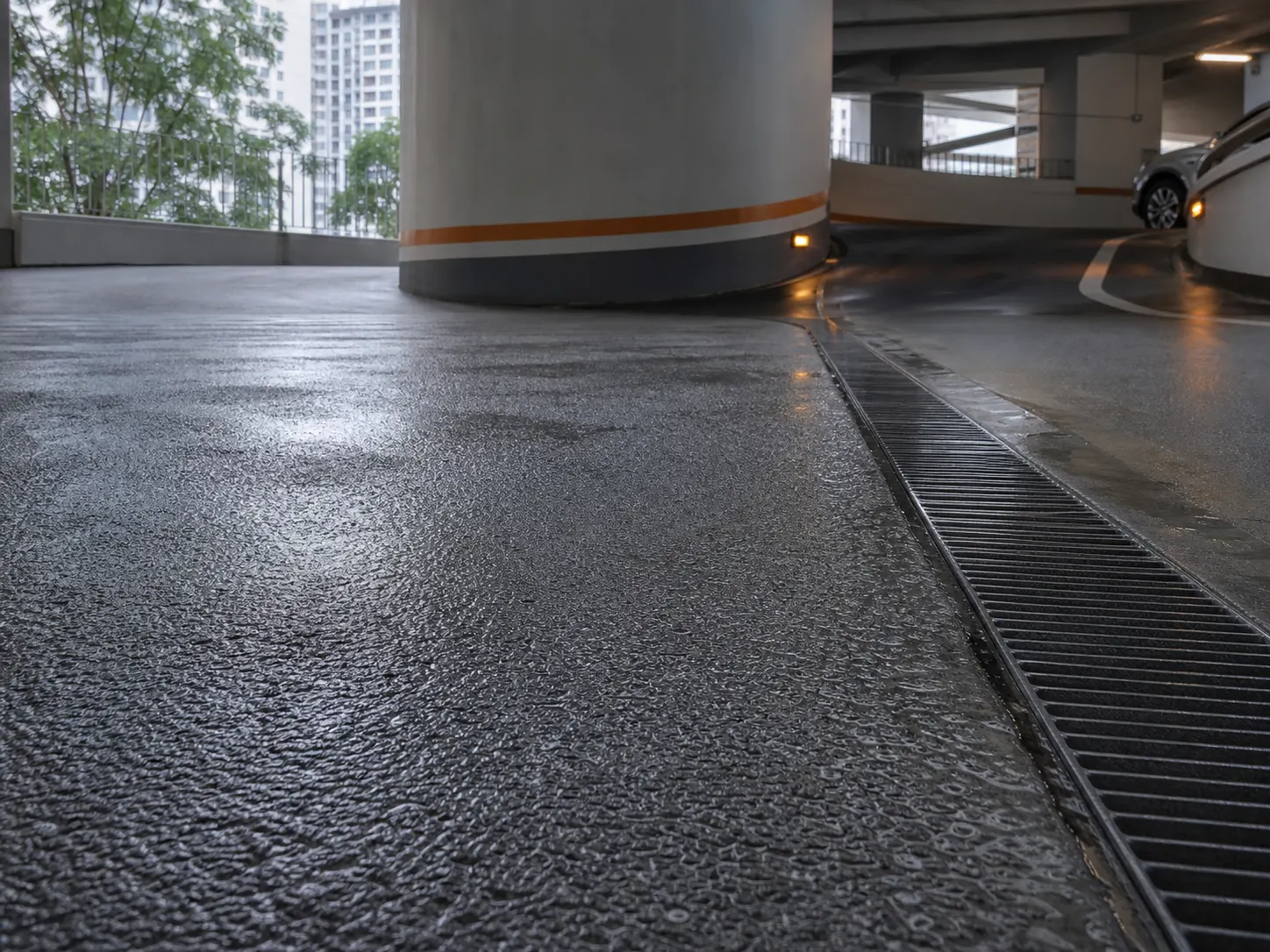
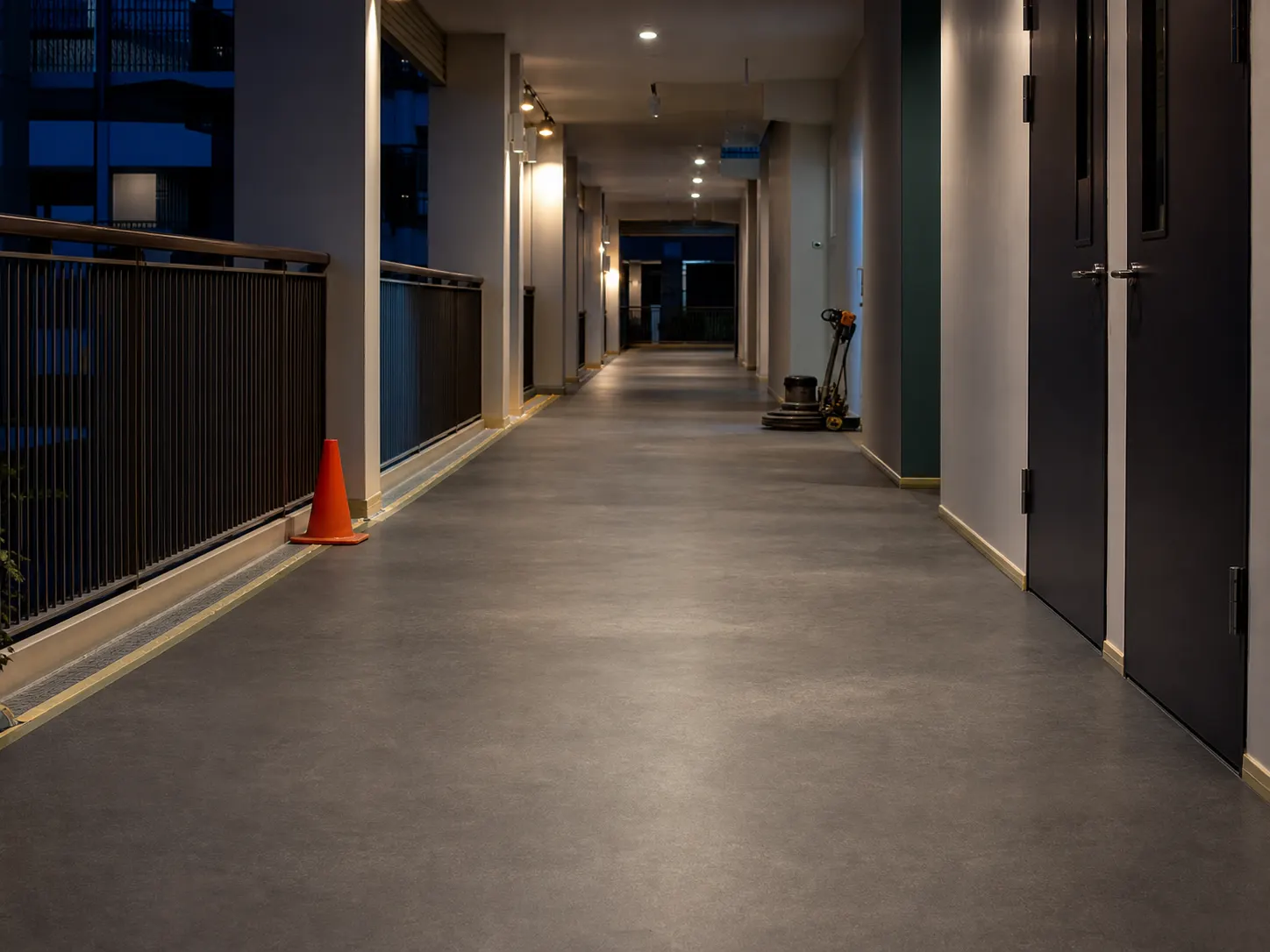
For floors that must be seamless, cleanable and hard-wearing, resin flooring is the standard answer: warehouses, production floors, car parks, food plants and electronics rooms all use it because there are no joints to trap dirt and the surface can be matched to the traffic, the chemicals and the cleaning regime. It is only as good as the slab beneath it and the preparation done, and each family has limits: epoxy yellows in sunlight, thin coatings wear under forklifts, and PU-cement is the only one built for hot wash-down.
What are the downsides of resin flooring?
Resin floors depend on preparation and a dry, sound slab; skip the grinding or coat over moisture and the floor peels. Epoxy chalks and yellows under UV, smooth finishes are slippery when wet, repairs show, and none of the families bridge a moving crack. Solvent-based products smell during application, so occupied buildings need water-based or solvent-free systems, and every family has a recoat window that must be kept.
What is the difference between resin flooring and epoxy flooring?
Epoxy flooring is one family within resin flooring. Resin flooring covers every seamless floor cured from a liquid resin: epoxy coatings and self-levelling floors, polyurethane finishes, PU-cement screeds, conductive ESD epoxy, anti-slip systems and methacrylate resins. Epoxy is the hard, economical interior workhorse; polyurethane adds UV stability and flexibility; PU-cement takes heat, steam and chemicals that would lift an epoxy floor.
Are resin floors expensive?
A roller-applied epoxy coating at about S$3–6 per sq ft is among the cheapest seamless floors in Singapore. Self-levelling epoxy at S$6–12 and anti-slip or ESD systems at S$8–15 per sq ft cost more because they lay more material or add a function, and PU-cement screeds are quoted per project. What makes any resin floor expensive is the preparation: grinding, repairs and removal of a failed coating. These are September 2026 market ranges, not Rayson quotations.