01 Substrate readiness
Can a coating go straight onto existing concrete?
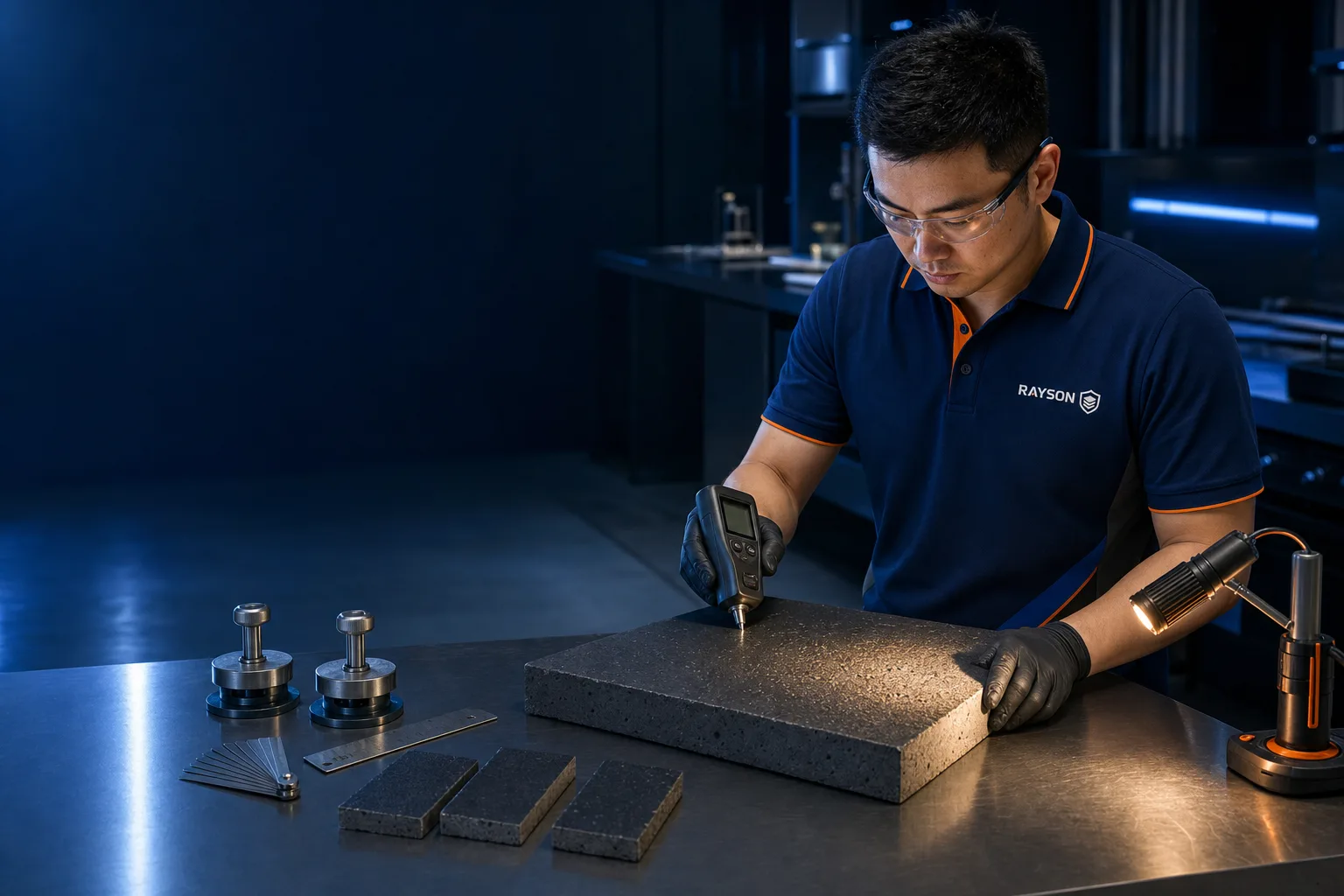
Not by default. The concrete should first be assessed for strength, contamination, moisture and the condition of any existing coating. The preparation method and primer are selected from that evidence; coating over an unsound interface only carries the weakness forward.
Check: strength · contamination · moisture · existing layers
02 Existing failure
Why is the floor peeling, blistering or delaminating?
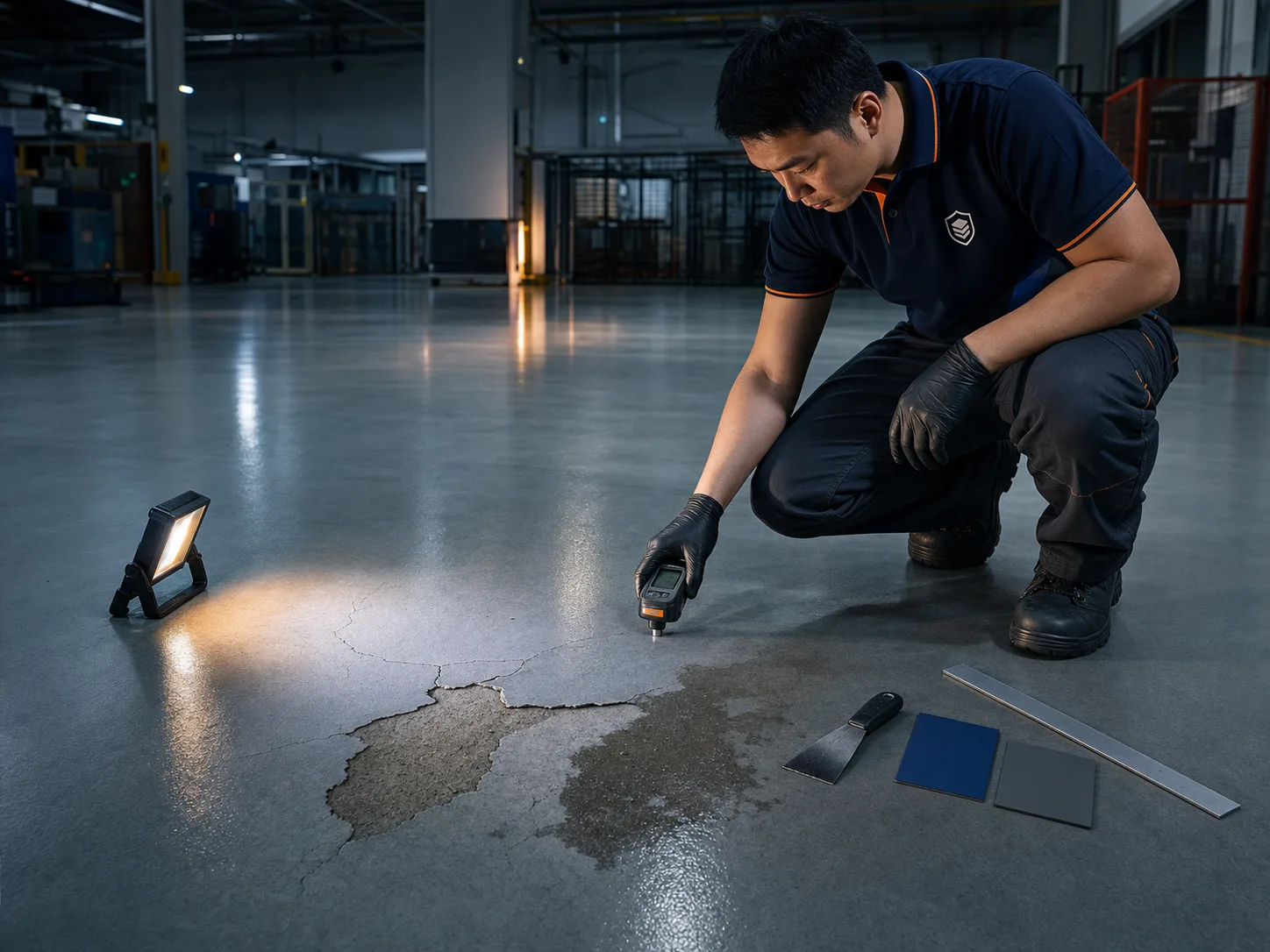
Peeling, blistering and delamination describe symptoms, not the cause. Loss of adhesion can involve contamination, trapped moisture, insufficient preparation, incompatible layers or application conditions. Identify where the failure sits in the build-up before deciding how to repair it.
Record: location · pattern · layer · moisture · operating exposure
03 System chemistry
When should epoxy, polyurethane or PU-cement be considered?
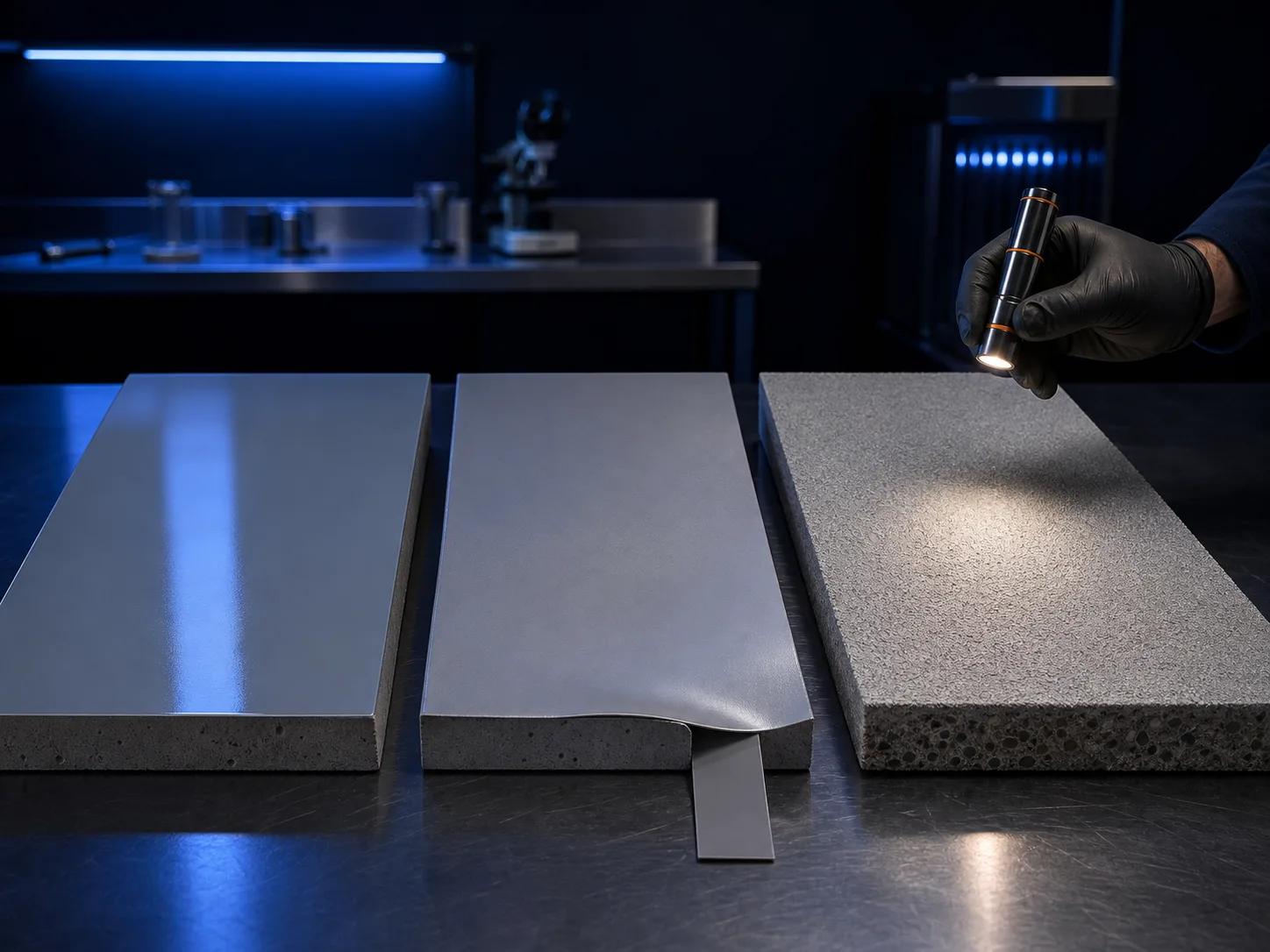
Chemistry is selected from operating exposure, not appearance. Epoxy systems are commonly used for hard-wearing interior floors; polyurethane finishes are considered where flexibility, abrasion or UV performance matters; PU-cement is relevant to heavier chemical, hygiene and thermal-shock conditions. Confirm the final product and build-up in its TDS.
Define: traffic · chemicals · UV · temperature · cleaning regime
04 Wet and exterior areas
What changes when the area is wet or exposed outdoors?
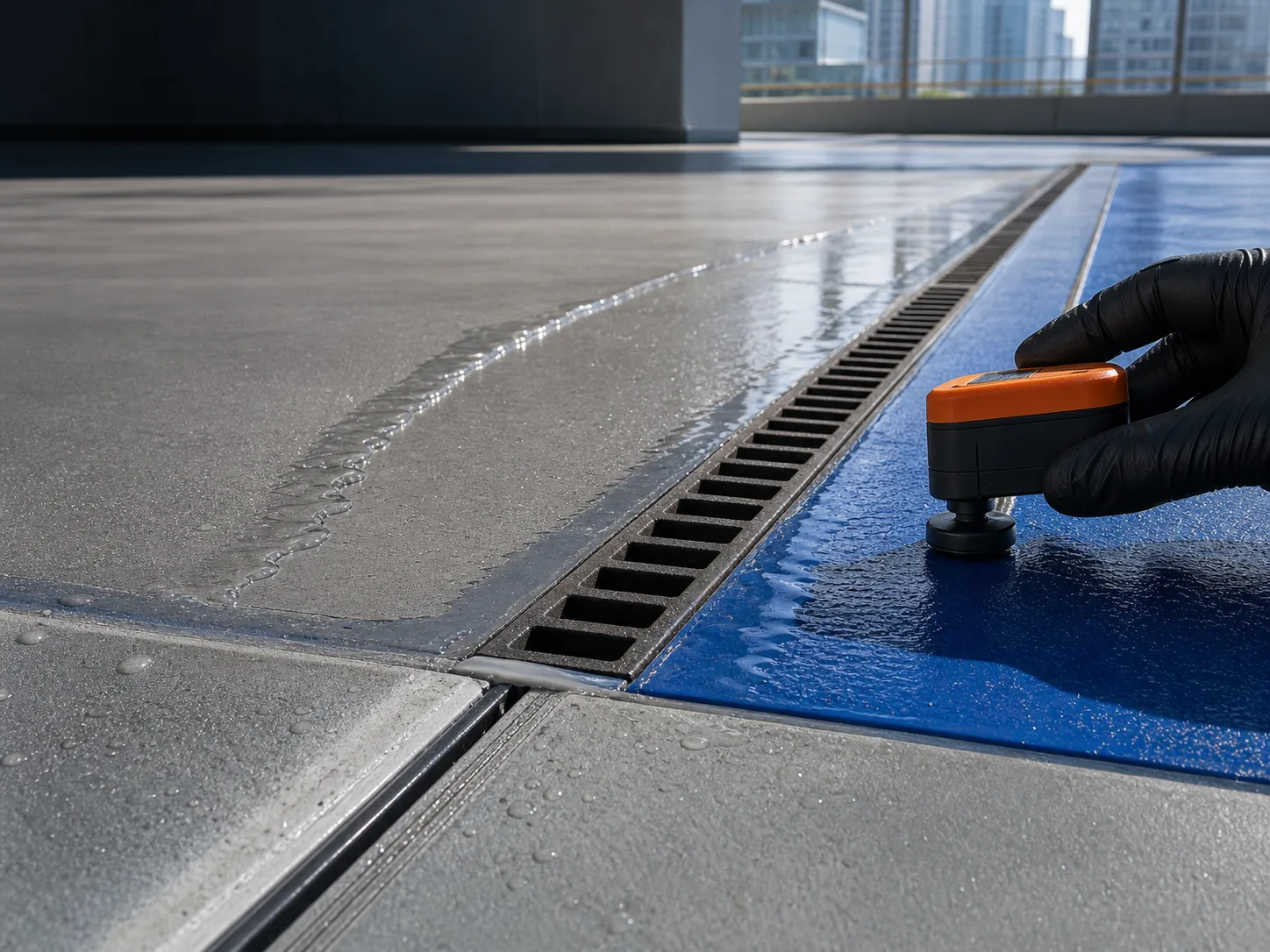
Water, movement, falls, joints and UV exposure should be considered together. A traffic coating is not automatically a waterproofing membrane, and a membrane is not automatically a wearing finish. Define whether the project needs waterproofing, slip resistance, UV stability or a combined system.
Check: drainage · joints · movement · UV · pedestrian or vehicle traffic
05 Shutdown planning
Can the floor be selected from the shutdown window alone?
No. The available window matters, but return-to-service planning must be checked together with substrate condition, temperature, coat sequence and the relevant TDS. Establish technical fit first, then plan application and reopening against the published product data.
Plan: access · coat sequence · temperature · inspection · reopening
06 Technical documents
Which document should a consultant or buyer open first?
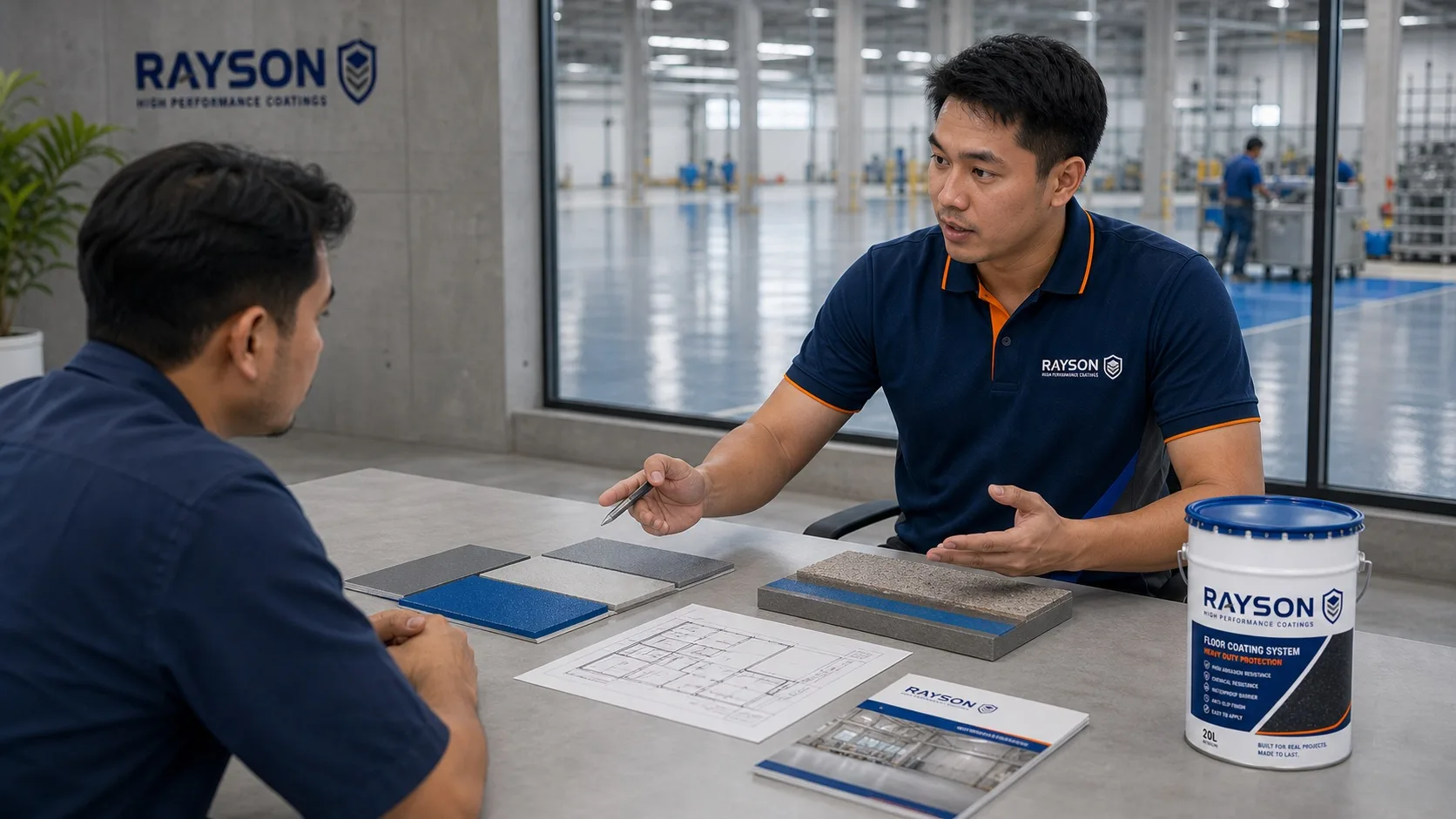
Start with the product TDS to verify intended use, suitable substrates, mixing, coverage, application information and limitations. Use the product page for system context, and contact Rayson when the site conditions or required submission documents go beyond the published data.
Verify: document code · revision · intended use · limitations
07 Budgeting
How much does resin flooring cost in Singapore?
Publicly advertised Singapore resin-floor figures reviewed in August 2026 ranged from roughly $10 to over $150 per square metre, but that range is not a Rayson quotation and no single figure answers the question honestly. Applied thickness is the dominant variable—a thin roller-applied film and a multi-millimetre poured or trowel-applied build are different systems. Establish the system class, thickness and preparation scope first, then compare quotations on those terms.
Confirm: thickness · supply-only or installed · preparation scope · area
08 Waterproofing selection
Sheet membrane or liquid-applied waterproofing — which should I use?
A sheet membrane arrives at a factory-controlled thickness but depends on seams and welds — every joint is a potential path. A liquid-applied membrane is seamless and follows details such as upstands, outlets and penetrations, but its thickness depends on site workmanship. Detail-heavy surfaces usually favour liquid-applied systems; large simple fields can suit sheets. The details, not the open area, should decide.
Map: upstands · outlets · penetrations · joints · access
09 Static control
How is an ESD floor tested and verified?
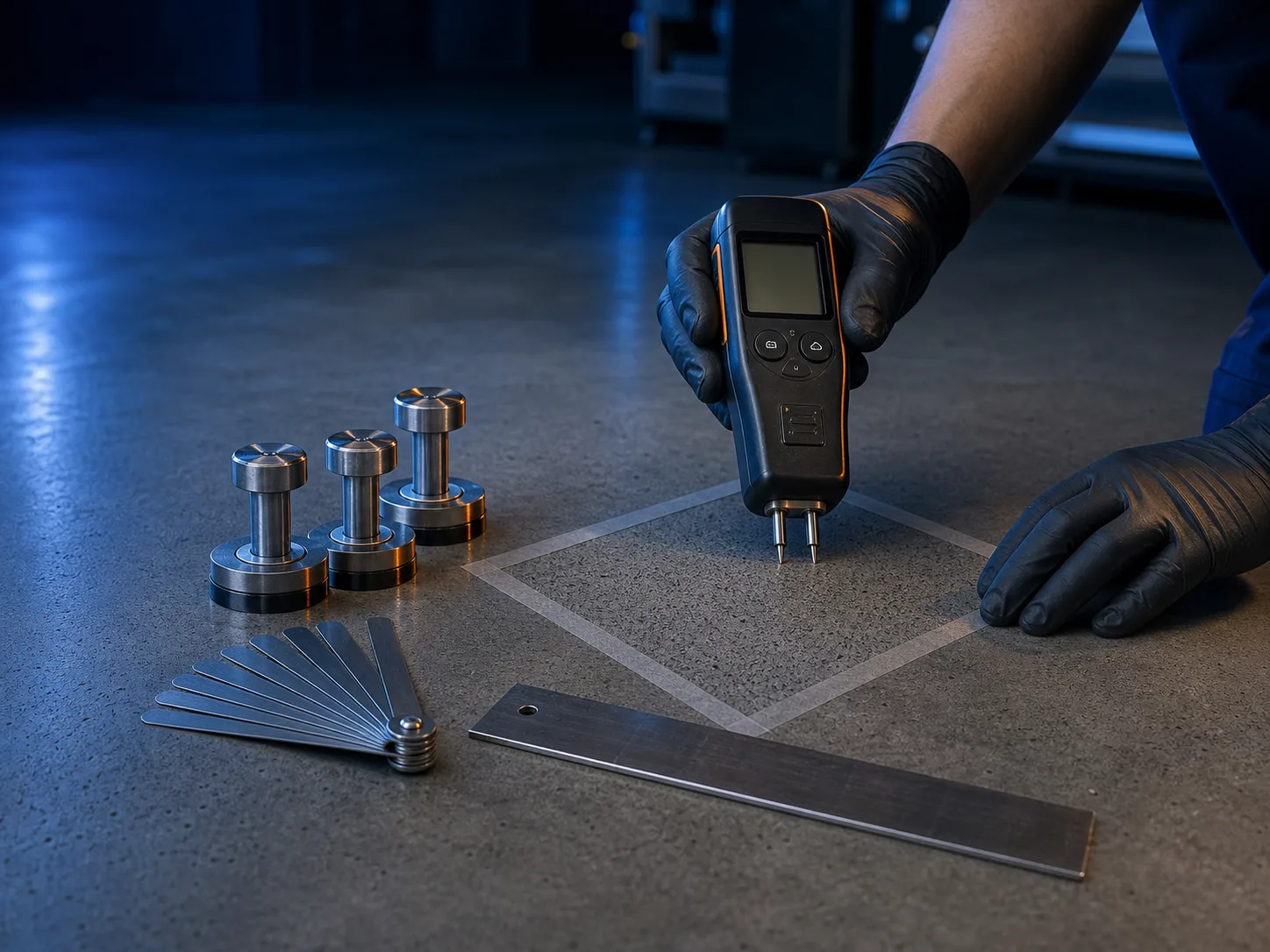
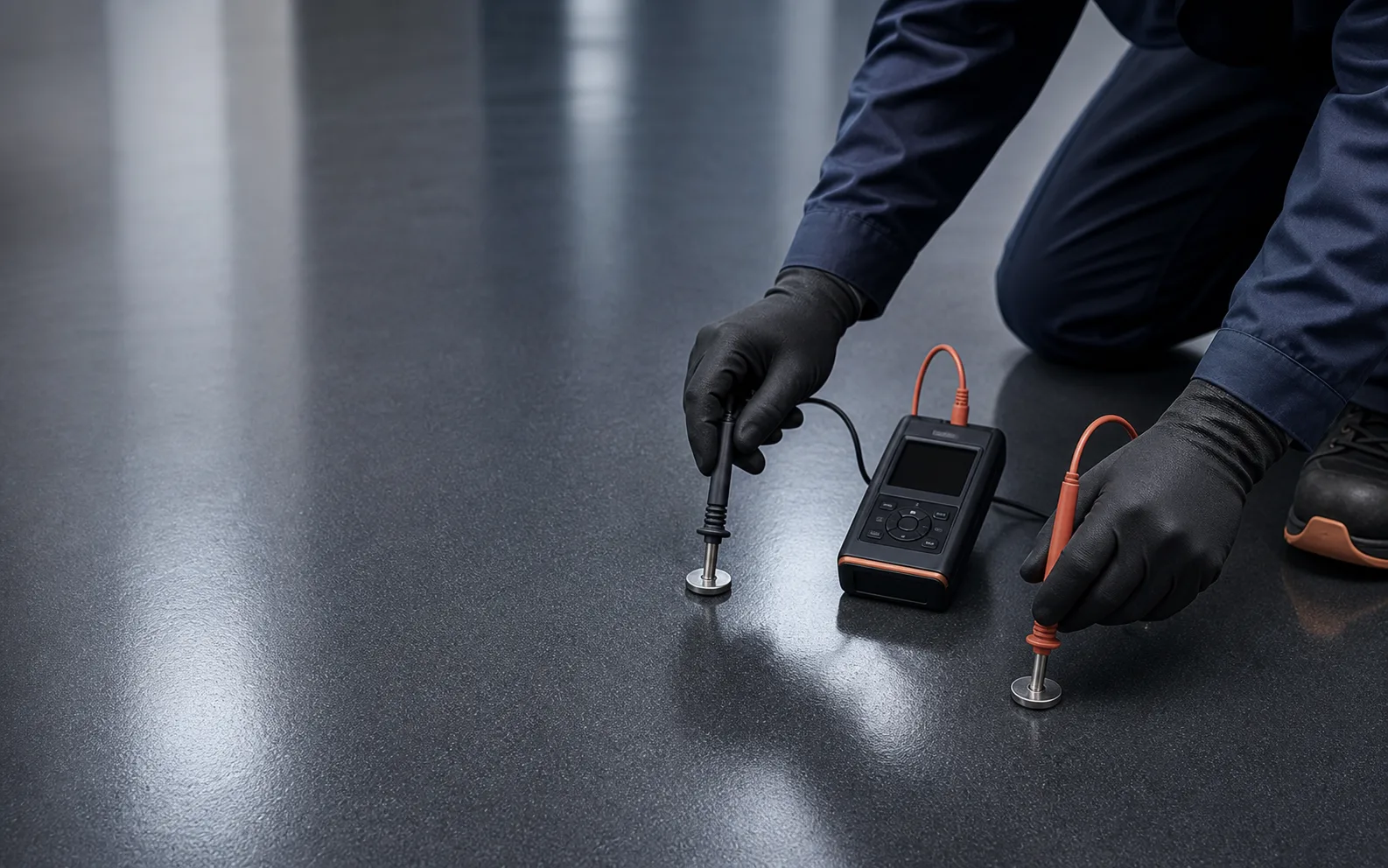
An ESD floor is verified by measurement, not by colour or claim: resistance-to-ground is measured at defined points with a calibrated meter, and the readings must sit inside the specified range — conductive and static-dissipative floors have different limits. Verification also checks the grounding connections the readings depend on. Keep the measured values with the handover documents; audits ask for numbers, not brochures.
Record: test points · resistance-to-ground · grounding · date